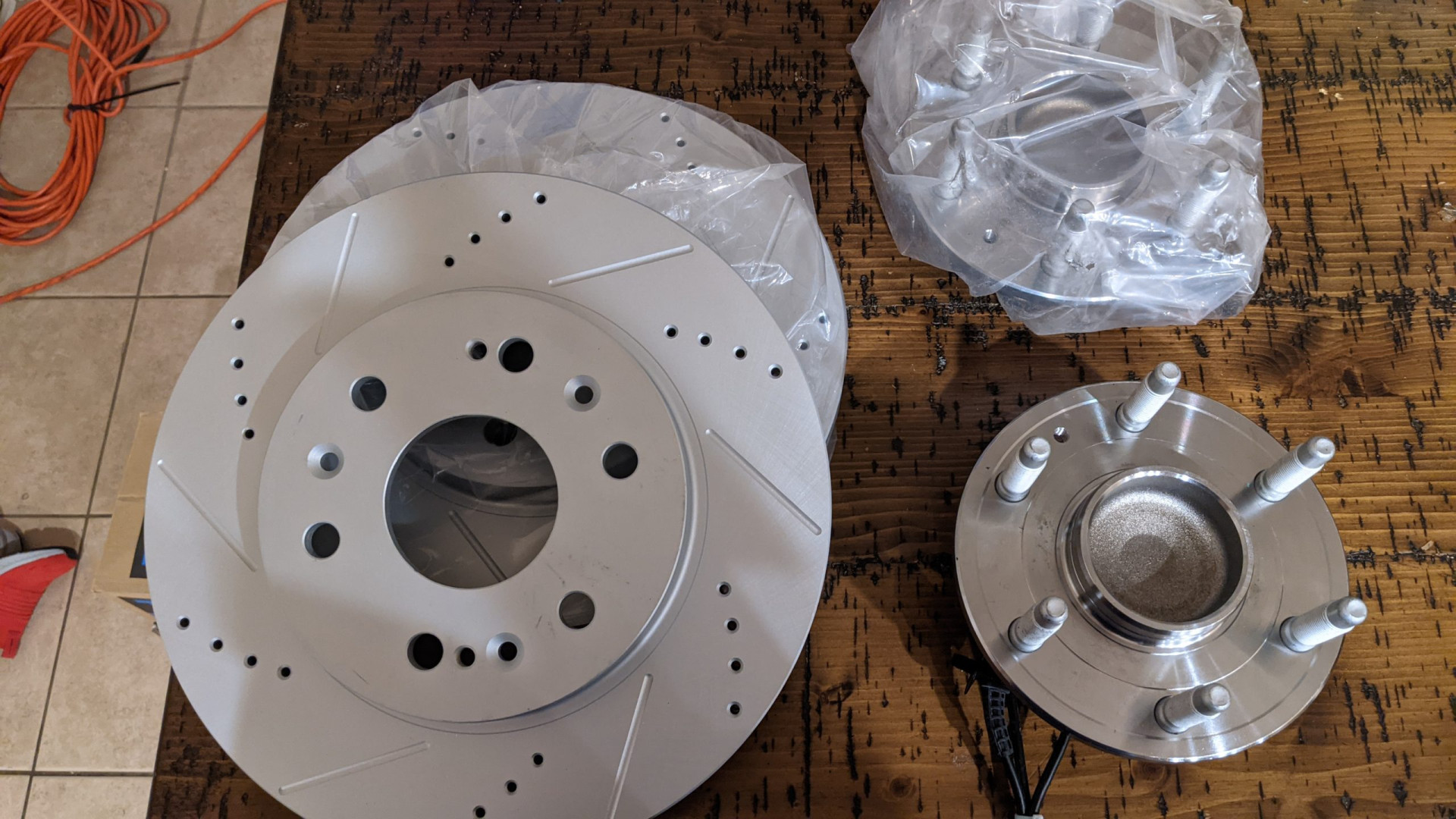
Your brake system usually gives you some warning before a problem becomes severe. Squealing, grinding, vibration, pulling, changes in brake-pedal feel, and warning lights can all indicate that the braking system needs to be inspected.
BRAKE PROBLEM GUIDE
What Are the Signs of Brake Problems?
Some brake symptoms are caused by normal wear, while others may indicate a hydraulic, mechanical, or electronic problem that can affect the vehicle’s ability to stop safely.
The important part is identifying the actual cause instead of replacing brake parts based on the symptom alone.
COMMON WARNING SIGNS
7 common signs of brake problems
Brake problems can show up as noise, vibration, changes in pedal feel, pulling, or warning lights. These symptoms can point toward a problem, but inspection is still needed to determine the actual cause.
01
Squealing or squeaking when braking
Squealing is one of the most common brake complaints.
Brake pads may use wear indicators designed to make noise as the friction material becomes worn. Squealing can also be caused by vibration, brake hardware, rotor condition, contamination, or other conditions.
An occasional noise does not automatically mean the brake pads have failed, but persistent squealing should be inspected.
02
Grinding noise when braking
Grinding deserves more immediate attention.
One possible cause is brake-pad friction material that has worn away far enough for metal components to contact the brake rotor.
Grinding can quickly damage rotors and may indicate that the braking system is significantly worn.
03
Vibration or pulsation while braking
If the steering wheel or brake pedal vibrates when the brakes are applied, there may be a problem with the brake rotor or another component affecting braking.
Rotor thickness variation, runout, uneven friction transfer, worn suspension components, wheel problems, and other conditions can contribute to vibration.
04
Vehicle pulls while braking
A vehicle that pulls noticeably to one side during braking may have uneven braking force between the wheels.
Caliper problems, brake-hose issues, uneven friction material, contamination, suspension problems, tire concerns, and alignment issues can all create similar symptoms.
05
Soft or spongy brake pedal
A brake pedal that feels unusually soft or spongy can indicate a hydraulic-system problem.
Possible causes include air in the hydraulic system, a fluid leak, brake-hose problems, or a master-cylinder concern.
A sudden change in pedal feel should be taken seriously.
06
Brake pedal feels different than normal
Brake problems do not always produce a soft pedal. A pedal may feel unusually low, hard, inconsistent, or require more effort than expected.
If pedal behavior changes significantly, the system should be inspected rather than waiting for the symptom to become worse.
07
Brake or ABS warning light comes on
A brake warning light or ABS warning light means the vehicle has detected a condition that requires attention.
The issue may involve brake-fluid level, the hydraulic system, parking brake, ABS system, or another monitored component.
If electronic faults require additional testing, learn about
mobile advanced diagnostics.
BRAKE NOISE
What does a bad brake pad sound like?
Worn brake pads may produce squealing, scraping, or grinding depending on their condition and the brake design.
However, noise alone cannot determine remaining pad thickness.
A visual inspection of the brake components is the better way to determine whether the pads are worn and whether the rotors or other components also need attention.
BRAKE SYMPTOMS EXPLAINED
What can different brake symptoms mean?
Why does my steering wheel shake when braking?
A steering-wheel vibration that becomes noticeable during braking is commonly associated with a condition affecting the front brakes or front suspension.
Brake rotor condition is one possibility, but wheel, tire, steering, and suspension problems can create similar symptoms.
If the vehicle also clunks, wanders, has steering play, or makes noise over bumps, learn more about
common causes of suspension noise
or
mobile suspension and steering service.
Why does my brake pedal feel soft?
The brake system uses hydraulic pressure to transfer force from the brake pedal to the brakes at the wheels.
If the pedal becomes soft or spongy, air in the system, fluid leaks, hose problems, master-cylinder issues, or another hydraulic concern may be involved.
A pedal that suddenly travels farther than normal or approaches the floor should be treated as a potentially serious problem.
Why does my car pull to one side when braking?
Pulling during braking can occur when braking force is not equal from side to side.
A sticking caliper, hydraulic restriction, friction-material problem, or contamination may contribute.
Tire pressure, tire condition, suspension wear, and alignment can also influence how the vehicle tracks.
Can bad brakes cause a burning smell?
Excessive brake heat can produce a noticeable smell.
This may occur after severe braking, but a brake that remains partially applied because of a mechanical or hydraulic problem can also generate excessive heat.
If one wheel is unusually hot or there is smoke, severe odor, or significant brake drag, allow the system to cool and have it inspected before continued driving.
CALIPER PROBLEMS
Can a bad brake caliper cause brake problems?
Yes. A brake caliper that does not move or release properly can create several symptoms.
- Uneven brake-pad wear
- Vehicle pulling while braking
- Excessive heat at one wheel
- Burning smell near a wheel
- Reduced braking performance
- Brake drag
- Premature rotor or pad wear
A caliper should be tested and inspected before replacement because hose problems, hardware issues, and other conditions can produce similar symptoms.
COMMON QUESTIONS
Brake wear and repair questions
Can worn brakes cause vibration?
Brake-related vibration is possible, but worn pads alone are not the only cause.
Rotor condition, wheel and tire issues, steering components, suspension wear, and wheel-bearing problems can create vibration that becomes more noticeable during braking.
If vibration also changes with vehicle speed or while turning, read about
common bad wheel bearing symptoms.
How long do brake pads last?
There is no single mileage at which every vehicle needs brake pads.
Brake life depends on vehicle weight, brake design, driving conditions, traffic, driving habits, towing, terrain, and friction materials.
Actual pad thickness and brake condition are more useful than replacing brakes solely because the vehicle reached a particular mileage.
Do rotors always need to be replaced with brake pads?
Not automatically.
Rotor thickness, surface condition, damage, heat-related concerns, and other factors determine whether a rotor remains serviceable.
The repair recommendation should be based on the condition of the braking system rather than automatically replacing every component.
Is it safe to drive with brake problems?
It depends on the symptom and its cause.
Minor noise may not immediately prevent the vehicle from stopping, while hydraulic failure, severe grinding, major pulling, or a significant change in pedal feel can indicate a more serious condition.
Do not continue driving if braking ability is significantly reduced, the pedal goes toward the floor, brake fluid is leaking, a wheel is severely overheating, or the vehicle cannot be controlled safely during braking.
PROPER INSPECTION
How are brake problems diagnosed?
Brake diagnosis begins with the driver’s symptoms and an inspection of the components involved.
The goal is to determine what is actually causing the symptom before recommending repairs.
MOBILE SERVICE IN FRISCO
Mobile brake repair in Frisco, TX
Rexroad Mobile Auto Repair provides mobile brake diagnosis and eligible brake repairs at your home, workplace, or another suitable location in Frisco and nearby communities.
Depending on the vehicle and confirmed condition, mobile brake service may include brake pads, rotors, calipers, and related brake-system repairs.
Brake pads
Brake-pad thickness and condition can be inspected and replaced when wear is confirmed.
Brake rotors
Rotor condition can be evaluated for wear, damage, heat concerns, vibration-related issues, and replacement needs.
Brake calipers
Caliper operation can be checked when pulling, brake drag, uneven pad wear, or excessive wheel heat is present.
Brake noise
Squealing, grinding, scraping, and other brake noises can be inspected to determine what is actually causing the sound.
Pedal concerns
Changes in pedal height, firmness, travel, or consistency can be evaluated for hydraulic or mechanical problems.
Brake and ABS warnings
Warning lights and related trouble codes can be evaluated when electronic brake-system diagnosis is needed.
RELATED SERVICES
Brake repair and vehicle inspection help
Learn more about
Rexroad’s mobile brake service
.
If brake or ABS warning lights require electronic testing, start with
mobile advanced diagnostics.
If braking symptoms overlap with steering or suspension concerns, see
mobile suspension and steering service.
If you’re purchasing a used vehicle and want the brakes and other major systems checked before buying, see
Rexroad’s mobile pre-purchase inspection.
You can also
view all mobile auto repair services
or learn more about
mobile mechanic service in Frisco, TX.
BRAKES SQUEALING, GRINDING, OR FEELING DIFFERENT?
Have the brake system inspected before the problem gets worse.
Send me the year, make, model, symptoms, warning lights, and where the vehicle is located in Frisco or the surrounding area.
Call or text
(469) 469-4521
or submit a service request online.